A Sampling Method for Stepping Into Unfamiliar Genres
A Sampling Method for Stepping Into Unfamiliar Genres
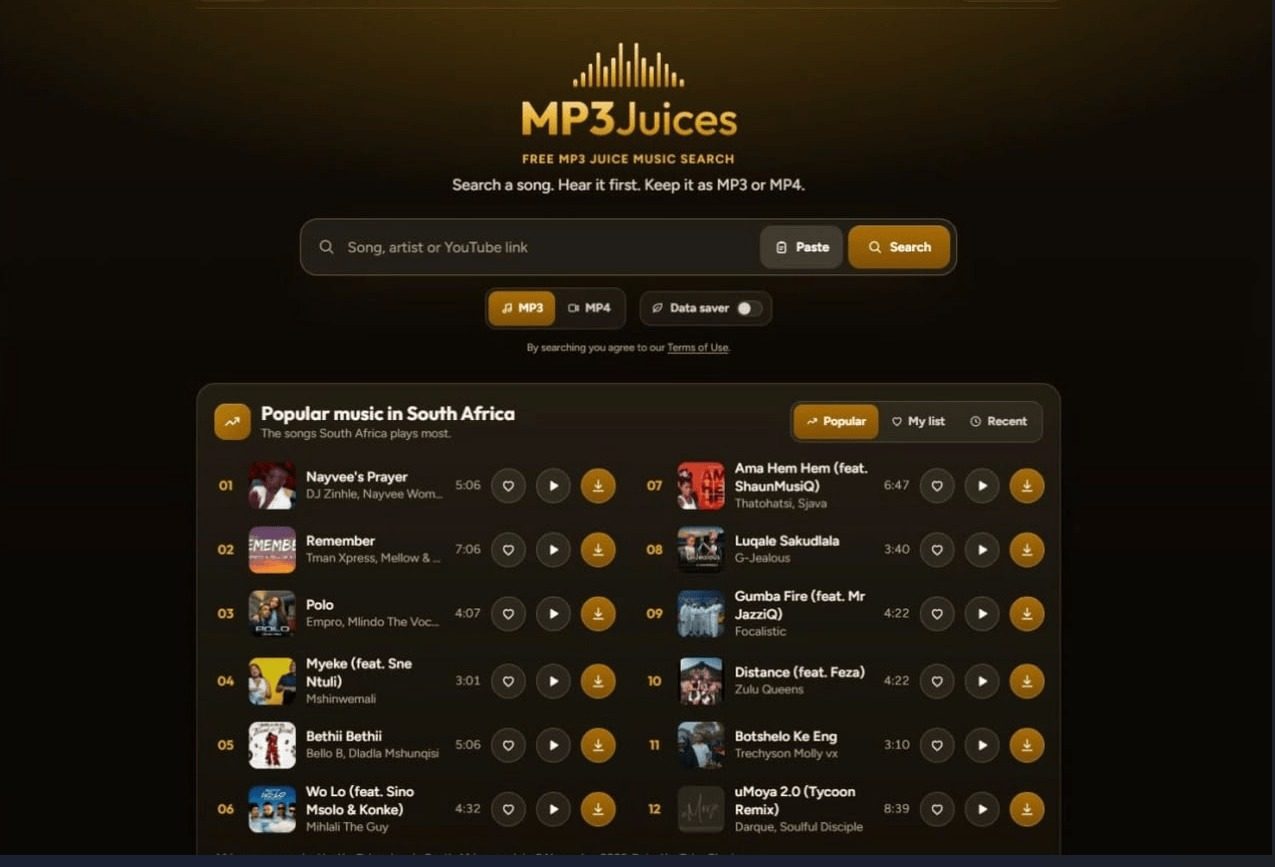
That uneasy feeling when a genre you know nothing about comes up in conversation is not a character flaw. It is simply a gap in exposure, and gaps close fastest when you turn curiosity into a small, bounded experiment. Instead of promising to “get into” a genre someday, you set a sample size, preview tracks in order, note your reactions, and then decide whether to continue. A tool like mp3juices.art makes that experiment cheap: search by genre or artist, listen before you commit, and download only what survives your filter.
The method below is deliberately modest. You are not trying to become an expert in an afternoon. You are trying to replace vague avoidance with a repeatable routine that tells you, in under an hour, whether a genre deserves a second session.
Why a Fixed Sample Size Beats Endless Browsing
Unfamiliar genres are intimidating partly because they look infinite. Every category page seems to contain hundreds of artists, subgenres, and eras, and the sheer volume invites you to scroll rather than listen. A fixed sample size removes that paralysis. Pick a number before you open anything — five tracks, seven tracks, ten at most — and treat that number as the whole assignment.
Sampling is not the same as surveying. A survey tries to be representative; a sample just needs to be honest enough to produce a reaction. If five tracks in a row leave you cold, that is a real result, not a failure. If two of five make you curious, you have found a thread worth pulling. The bounded number is what keeps the experiment from turning into another tab you never close.
There is a practical side too. Previewing before downloading saves storage and attention, and a platform that lets you listen first means your sample size costs you almost nothing but time. Decide the number, write it down, and do not let the category page renegotiate it.
Step One: Choose a Genre and Set Your Sample Size
Start with one genre, not a family of them. “Electronic music” is too broad for a first pass; “ambient” or “house” gives you a fairer test. If you genuinely do not know where to begin, use a genre browser to see what categories exist, then pick the one that sounds least familiar rather than the one that sounds safest. Discomfort is the signal that you are actually sampling something new.
Pick a category you can name out loud
Naming the genre keeps the experiment honest. “Something with guitars” is a mood, not a category. A named genre also gives you a clear finish line: when you have heard your sample size from that category, the session is over.
Set the number before you press play
Five is a good default for a first experiment; seven or ten suit a genre with lots of short tracks. Write the number somewhere visible. The moment you start adding “just one more,” the sample has become a scroll, and the method has stopped working.
Step Two: Preview in Order and Note Your Reactions
Order matters more than people expect. Previewing tracks in the order the category presents them — chart position, artist listing, or a curated sequence — gives you a shared context for your reactions. Jumping randomly between artists makes it hard to tell whether you disliked a track or simply disliked the transition.
Keep a simple note for each track: one word for the sound, one word for your reaction. “Dense / curious.” “Sparse / bored.” “Loud / tense.” You are not writing reviews; you are collecting evidence. After five entries, patterns appear that you would miss if you relied on memory alone.
Listen for structure, not just vibe
Unfamiliar genres often sound formless at first because you do not yet recognize their building blocks. Ask what repeats: a drum pattern, a vocal phrase, a bassline. Identifying one repeating element per track gives your ear something to hold onto and makes the second listen more informative than the first.
Use previews and a personal list to stay organized
Listening before downloading is the core discipline of sampling. A personal list or saved queue lets you park the two tracks that intrigued you without committing to a full download, so your sample stays a sample. If a platform offers a data saver mode, use it during the experiment; you are auditioning, not archiving.
This is also where mp3juices.art earns its place in the routine. Searching by genre or artist, previewing songs, and downloading only the keepers in MP3 or MP4 format keeps the whole session light and reversible.
Step Three: Decide Whether to Continue, Pause, or Move On
Once the sample is complete, make one of three decisions. Continue means the genre earned a second session with a larger sample. Pause means something caught your attention but you are not ready to commit; leave the saved tracks for later. Move on means the sample gave you a clear answer, and a clear no is just as useful as a yes.
Judge the decision on your notes, not on your expectations. If your five reactions were mostly “bored,” the genre is not for you right now, and forcing a sixth session will not change that. If two or three reactions were “curious” or “tense” in an interesting way, continue — but keep the next sample size fixed as well.
What “continue” should look like
A continuation is a new experiment, not a free-for-all. Choose a narrower slice of the genre — a subgenre, a decade, or a single artist from your sample — and set a new number. Narrowing is how sampling turns into understanding without turning into a second job.
Common mistakes that break the method
- Changing the sample size mid-session because the category page looks tempting.
- Judging a genre from one track, which is a coin flip, not a sample.
- Downloading everything first and listening later, which reverses the whole point.
- Choosing the safest-sounding category instead of the least familiar one.
- Keeping no notes, then confusing memory with impression.
Building a Repeatable Cross-Genre Routine
The method becomes valuable when it is repeatable. Set aside a regular slot — one genre per week is plenty — and treat each slot as a self-contained experiment with its own sample size and notes. Over a few months you accumulate a personal map of what you actually respond to, which is far more useful than a list of genres you have heard of.
Keep the routine open-handed. The goal is not to like everything or to perform taste; it is to give unfamiliar music a fair, bounded hearing. Some experiments will end in a shrug, and that is a legitimate outcome. The explorer who shrugs and moves on learns faster than the one who pretends to enjoy something to seem cultured.
When a genre survives several rounds, that is the moment to download a small set of keepers and listen away from the browser. A free music search and download platform such as mp3juices.art fits this stage well: no account required, MP3 and MP4 options, and a preview step that keeps the experiment honest from start to finish.
Start with one unfamiliar genre this week, set a sample of five, preview in order, and write one word per track. Decide at the end. That is the whole method — small, bounded, and repeatable — and it turns the discomfort of an unknown genre into a question you can actually answer.
