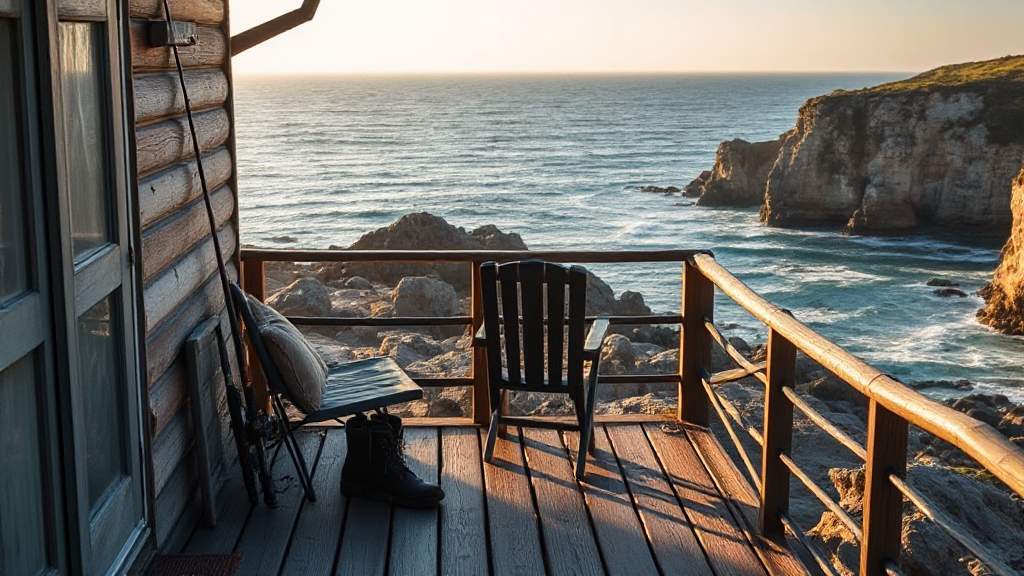
The Permit as the Foundation Stone of Your Portuguese Fishing Holiday
The Permit as the Foundation Stone of Your Portuguese Fishing Holiday
You unlock the door to a small rental on the Algarve coast, drop your bags in the hallway, and walk straight to the window. The Atlantic is right there, silver and restless, and somewhere below the cliffs an angler is already casting into the morning. That first hour in a new place is always about settling in: finding the kettle, working out the shutters, deciding which cupboard becomes the snack cupboard. For a fishing household, though, one item belongs at the very top of that settling-in list, before the rods are even unzipped. The fishing license is the foundation stone of the whole trip, and getting it sorted early is what turns a hopeful holiday into a comfortable, compliant one.
Think of a Portuguese fishing holiday the way you think about setting up a home for a fortnight. Nobody builds a house by hanging pictures first. You pour the base, then the walls, then the roof, and only then do you worry about cushions. The permit is that base. Everything else — the marks you want to try, the tides you want to match, the lazy afternoon sessions with a folding chair and a flask — rests on it.
Pouring the Base Before the Walls Go Up
Most travelling anglers plan in the wrong order. They book the flight, choose the apartment, screenshot a few marks from a forum, and leave the paperwork as an afterthought for the airport queue. That works until it does not. A licence requirement is not a detail you want to discover on the sand at seven in the morning with a rod already assembled.
The practical answer is to treat the permit like a utility connection. You would not arrive at a rental and hope the electricity switches itself on. You arrange it in advance, from your own kitchen table, in the same calm frame of mind. For mainland Portugal, recreational sea angling is administered under the DGRM system, and a service such as easyfishingpermit exists precisely to make that step quick and painless. The application takes around three minutes, needs no NIF and no wrestling with a government portal, and accepts card, Apple Pay or Google Pay. That is the modern equivalent of turning on the water before you unpack the mugs.
Once that base is poured, the rest of the planning gets easier, because you are no longer planning around an unknown. You are planning around a known: you are covered, you are legal, and the only remaining question is which cliff path to walk down first.
Furnishing the Trip Room by Room
With the foundation in place, you can furnish the holiday properly. This is where a home-and-comfort mindset really pays off, because a well-furnished fishing trip is not about cramming in the most sessions. It is about arranging the days so that everyone in the party — the fanatic, the casual caster, and the person who mostly wants to read on the terrace — gets what they came for.
Start with the gear corner. In a rental, that usually means one tidy spot near the door: rods in a quiver, a box of traces, pliers, head torch, a rag for sandy hands. Keep it contained and the apartment stays pleasant. Then think about the day’s rhythm. Early mornings suit rock marks while the light is low and the water is calm. Midday is for lunch, shade and a siesta, which is not laziness but local wisdom. Late afternoon and dusk are for the beaches, where the breeze drops and the fish move in close.
This is also the moment to think about what kind of portugal fishing you actually want. The mainland coast is generous in its variety. You can spend a week working rocky headlands with lures, or a week bait fishing from long, gentle strands, or mix both without ever driving more than half an hour. A licence that covers your recreational sea angling means you can follow the weather rather than a fixed plan, which is the single biggest comfort upgrade available to a visiting angler.
Pack for the household, not just the hobby. A small cool bag, a decent flask, folding chairs you can leave in the boot, a windproof layer for the evenings even in summer. These are the cushions and curtains of the trip. They do not catch fish, but they make the hours spent waiting for fish far more agreeable.
Making the Coastal Days Feel Like Home
The best fishing holidays settle into a routine surprisingly fast. By day three you know which bakery opens early, which stretch of coast gets crowded at sunset, and where to park without annoying anyone. That familiarity is the whole point. It is the difference between a frantic tour and a comfortable stay.
Part of that comfort is knowing the rules of the house you are visiting. Coastal areas in Portugal sometimes sit within protected zones, and local signage or seasonal restrictions can apply on top of your national recreational permit. Read what is in front of you, respect closed paths and nesting cliffs, and take your litter home. None of this is bureaucracy for its own sake; it is what keeps the coastline worth returning to, season after season.
It also helps to think about the people you are sharing the trip with. If you are the only angler in the group, build the day so that fishing slots neatly around everyone else’s plans. A dawn session before the household wakes, or a couple of hours at dusk while dinner is being prepared, keeps the peace beautifully. If the whole group fishes, you have the luxury of splitting up: two to the rocks, two to the beach, meeting later to compare notes over grilled fish and cold drinks.
For anyone still working out how to organise a first visit, it is worth reading around the subject before you go, especially on how licensing works for visitors. A little preparation on fishing in portugal removes almost all of the guesswork, and guesswork is the enemy of a relaxed holiday.
Weather is the other variable you cannot furnish away. The Atlantic does what it likes. Some days the swell will be too big for the rocks and you will shift to a sheltered estuary or a harbour wall. Some days the wind will make casting a chore and you will be glad of a backup plan. Treat those days as part of the trip rather than a failure of it. A long lunch, a coastal walk, a market, an afternoon with a book while the sea thumps against the cliffs — this is still a good day in Portugal.
Settling In for the Long Stay
By the end of the first week, the rental no longer feels borrowed. Your rods live by the door, your boots dry on the step, and there is a particular shelf in the fridge reserved for bait and cold drinks. That is the sign of a base that has been built properly, from the ground up, and the permit underneath it all is what allowed the rest to happen without friction.
This is the quiet argument for sorting your paperwork before you travel. It is not about fear of a fine or a check on the beach. It is about arriving with nothing left to arrange, so that the first morning is spent looking at the water rather than at a screen. It is about giving yourself permission to relax into the rhythm of the coast, knowing the foundation is solid.
So when you next plan a Portuguese fishing holiday, plan it the way you would plan a comfortable home. Start with the base. Get the licence sorted in a few unhurried minutes from your own kitchen, long before the suitcase comes out. Then build upwards: the gear corner, the day’s rhythm, the shared meals, the backup plans for windy days. Do that, and what you end up with is not just a fishing trip. It is a fortnight that feels genuinely lived in, on a coastline that rewards the people who settle into it properly.
